If you’ve lived in Wicklow a few winters, you’ll know the pattern. A few calm weeks, then a run of named storms rolling in off the Irish Sea or down over the mountains, one after another. The roofs that come through that run without damp patches, overflowing gutters or slipped tiles are almost always the ones that had their moss and gutters sorted before the first proper storm landed, not after. That’s the whole idea behind getting this done now rather than in January when the damage is already done.
What actually happens when a Wicklow roof goes into storm season unchecked
We see the same few things every year, from Bray down to Arklow. Moss sits in the valleys and along the north-facing slopes, holding water against the tiles or slates long after the rain has stopped. Then a storm brings horizontal rain and wind gusts, and that trapped moisture gets driven back up under the overlaps instead of running off. That’s when homeowners start seeing a stain on a bedroom ceiling that wasn’t there in October.
At the same time, gutters that have been quietly filling with leaves, moss clumps and grit all autumn suddenly can’t cope with the volume a storm throws at them. Water backs up, spills over the fascia, and runs straight down the wall. We get a noticeable jump in calls for exactly this reason once the first big storm of the season hits, usually from people who didn’t realise their gutters were half blocked until the water was coming over the top in front of them.
The moss problem is worse on certain Wicklow roofs than others
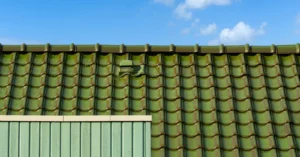
Moss doesn’t grow evenly. It loves shade, damp and still air, which is exactly what you get on a lot of roofs in Enniskerry, Delgany and the wooded parts around Ashford and Rathdrum, where mature trees overhang the house and the roof rarely sees direct sun. North-facing slopes anywhere in the county are slower to dry out after rain, so they’re first to show green growth, usually a year or two before the south-facing side.
Coastal estates in Greystones, Bray and Wicklow town have a different issue. Salt-laden sea air and near-constant damp keep roofs wetter for longer between dry spells, which again favours moss and lichen even without overhanging trees. If your roof faces the sea and gets shaded mornings, you’re probably dealing with both factors at once.
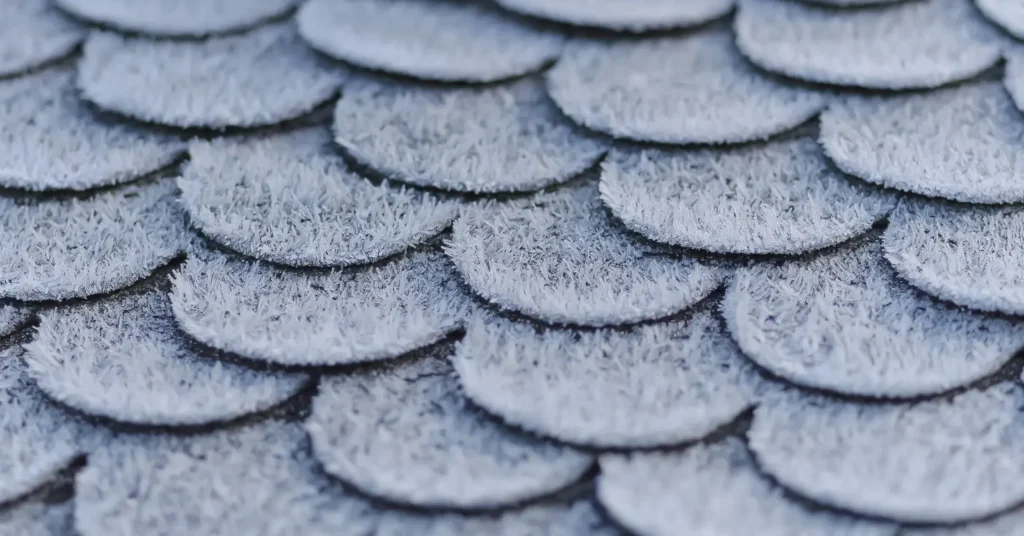
Left alone, moss doesn’t just look untidy. It lifts tiles slightly as it grows under the edges, holds water against the roof covering, and in a hard frost that trapped water can expand and crack tiles or slates. That’s a slow process, not an overnight one, which is exactly why so many homeowners don’t notice it until a storm exposes the weak spot. Our roof moss removal work is really about catching that problem while it’s still cosmetic, before it becomes a repair job.
Gutters: the part everyone forgets until the water comes through
Honestly, gutters cause more emergency calls in Wicklow over winter than moss does. People think of gutter cleaning as a tidiness job, but it’s really a drainage job. A gutter that’s a quarter full of compacted leaf mulch and moss debris has lost a real chunk of its capacity, and that’s before a storm adds its own load of windblown debris on top.
The failure points we see most often are the same ones every year: downpipes blocked at the hopper, valleys that funnel water faster than the gutter below can take it, and joints that have been under slow pressure from standing water for months and finally give way during heavy rain. Older housing stock around Wicklow town and Rathdrum, a lot of it with cast iron or older style gutters, tends to show these problems earlier than newer builds with modern uPVC systems.
A proper gutter cleaning before storm season clears all of that out and lets you actually see the condition of the brackets, joints and downpipes while they’re empty, which is the only time you can really check them properly.
What pushes the cost up or down
We can’t quote a figure without seeing the roof, because the job varies a lot from house to house, but these are the things that genuinely move the price:
- Roof pitch and height: a steep or high roof takes longer and needs more careful access
- How much moss has built up: a light dusting is a different job to thick, established clumps
- Roof type: natural slate, concrete tile and fibre cement all need slightly different treatment
- Access around the house: mature gardens, narrow side passages or walled courtyards can slow things down
- Number of storeys and length of guttering to be cleared
- Whether it’s a one-off job or you’re setting up a regular yearly check
The honest answer is that anyone quoting a fixed price without seeing your roof is guessing. Get an actual look at the job and a real number for your house.
What we’d actually recommend before the rain sets in
If you’re only doing one thing this autumn, do the gutters first. A blocked gutter causes immediate, visible damage in a single storm. Moss is a slower problem, but it’s the one that costs more to ignore long term, because by the time it’s lifting tiles you’re looking at repair work, not just cleaning. Where budget or timing is tight, we’d rather see a homeowner get gutters sorted properly now and plan the moss removal for early in the new year, than try to rush both at once in bad weather.
One thing we’d steer you away from is pressure washing moss off yourself from a ladder. It’s one of the most common mistakes we see. Pressure washing roof tiles the wrong way can drive water under the overlaps and strip the protective granules off, which actually makes the roof worse, not better. If you want it done properly, it’s worth getting someone experienced to look at it rather than hiring a power washer for the weekend.
We’ve been doing roof cleaning across Wicklow for years now, working houses from Blessington down to Arklow, and storm season is genuinely our busiest and most preventable time of year. If you want an honest look at your roof and gutters before the next front rolls in, get in touch through our contact page or have a look through our full roof cleaning services to see what’s involved.
Frequently Asked Questions
How often should I get my gutters cleaned in Wicklow before winter?
Most Wicklow homes do well with a clean in autumn before the leaves fully come down, and another check after any severe storm has passed. Houses near a lot of trees, particularly in Enniskerry, Delgany or Ashford, often need an extra check mid-winter because leaf and debris build-up happens faster there.
Can moss removal actually damage my roof tiles?
Done badly, yes. Aggressive pressure washing can crack tiles or strip the surface coating. Done properly, with the right technique and pressure for the roof type, moss removal shouldn’t damage sound tiles or slates. It’s worth asking how the job will actually be carried out before you book it.
Is it worth cleaning my roof if I’m planning to sell the house?
Generally yes. A roof covered in moss and streaked with dirt is one of the first things a buyer or surveyor notices, and it can raise questions about the roof’s condition even when the structure underneath is fine. A clean roof simply presents better and avoids that doubt.
Should I check my roof myself before a storm, or call someone?
A visual check from the ground with binoculars is fine for spotting obvious moss or slipped tiles, but getting up on the roof yourself in autumn or winter is genuinely risky, especially on wet tiles or slates. If you’ve seen a problem area, it’s safer to have it looked at properly rather than climbing up yourself.
Do I need planning permission for gutter or roof cleaning work?
No, routine cleaning and moss removal isn’t the kind of structural work that needs planning permission. If any repair work turns out to be needed, such as replacing sections of roof or altering the structure, it’s worth checking the current position with your local authority before proceeding.
What areas of Wicklow do you cover?
We work right across the county, including Bray, Greystones, Wicklow town, Arklow, Blessington, Enniskerry, Delgany, Kilcoole, Rathdrum and Ashford. If you’re unsure whether your area is covered, just ask through our contact page.